Site Protection: How We Prepare Your Home Before Demolition Begins
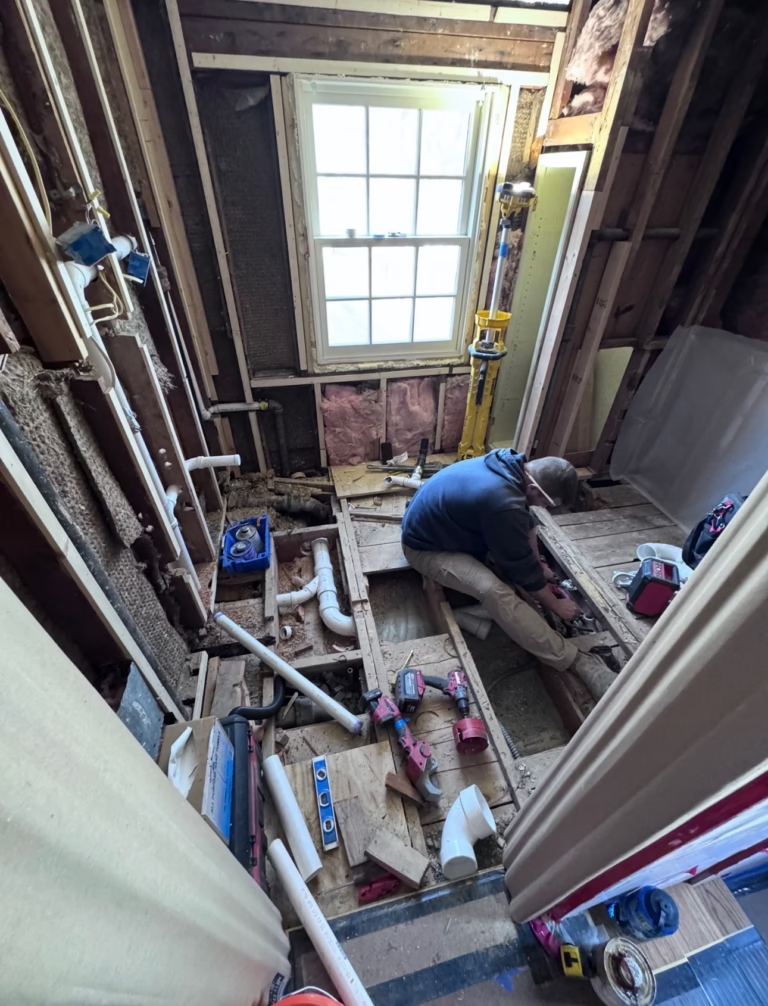
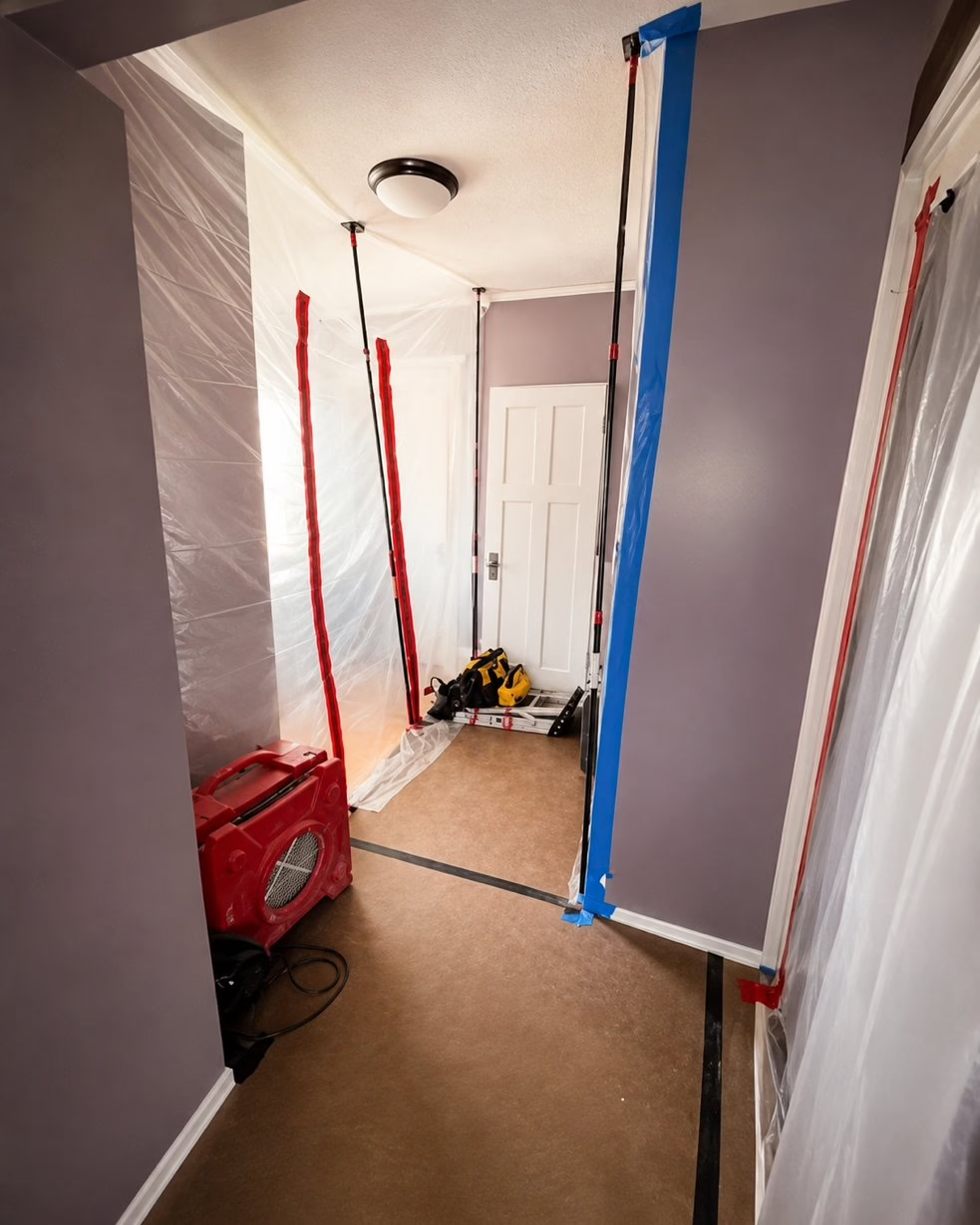
Before the first wall comes down, our very first job inside your home is to protect it. At Prima Construction, site protection is the foundation of every remodel — a careful, room-by-room system of floor coverings, dust barriers, and wall protection that goes in before demolition ever begins. It is one reason the opening days of a project are often surprisingly quiet: you won’t hear much demolition yet, but you’ll see a lot of activity as we ready your home for the work ahead.
Here’s how we set a project up for success — and why we’re willing to spend two days or more doing it.
It starts before construction
Site protection begins at the pre-construction visit. We evaluate exactly what materials the job will need and review with you how to prepare for our first day. Those first days on site are intentionally about preparation, not demolition.
Protecting the floors
The first layer of protection is always the flooring, and the method depends on the surface.
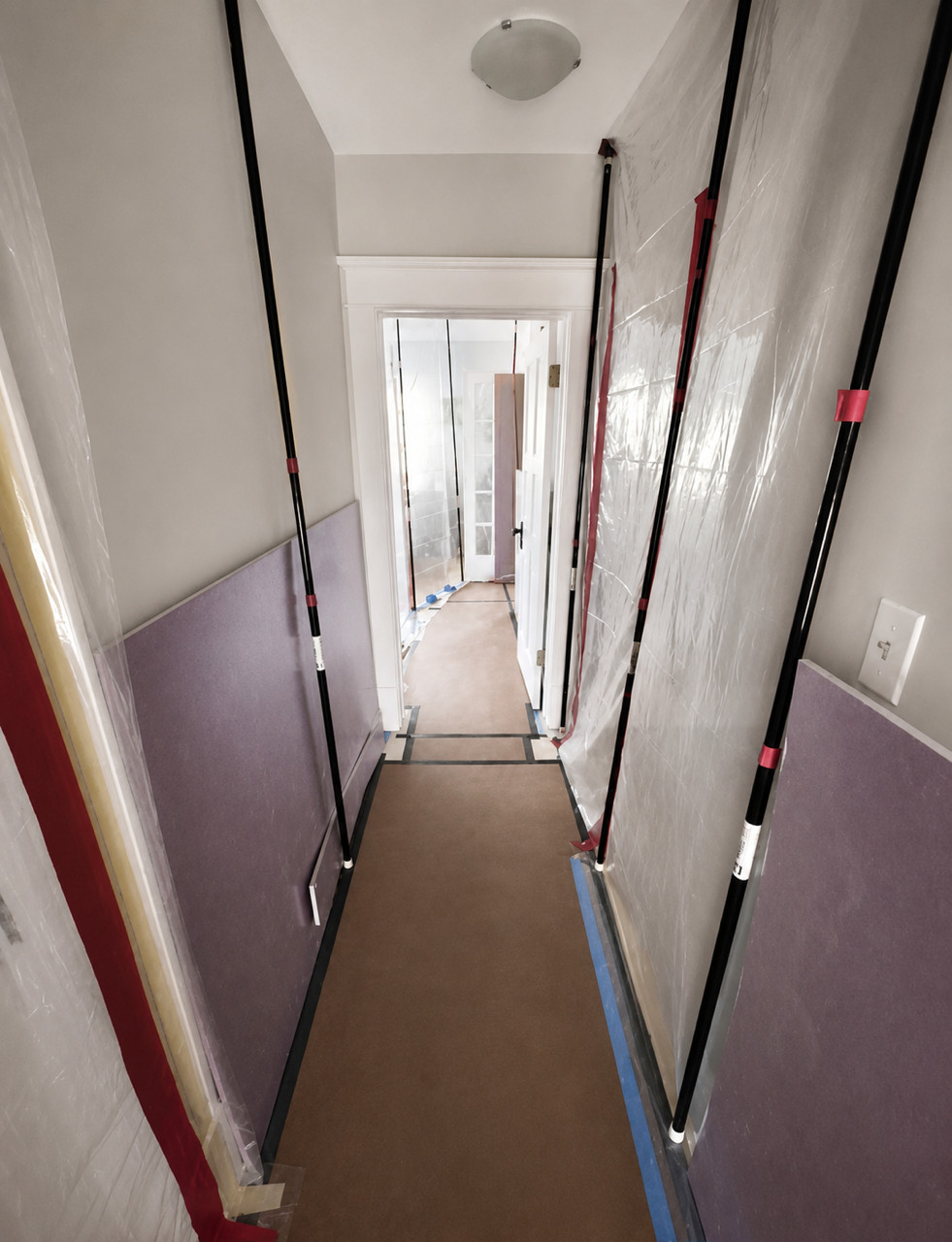
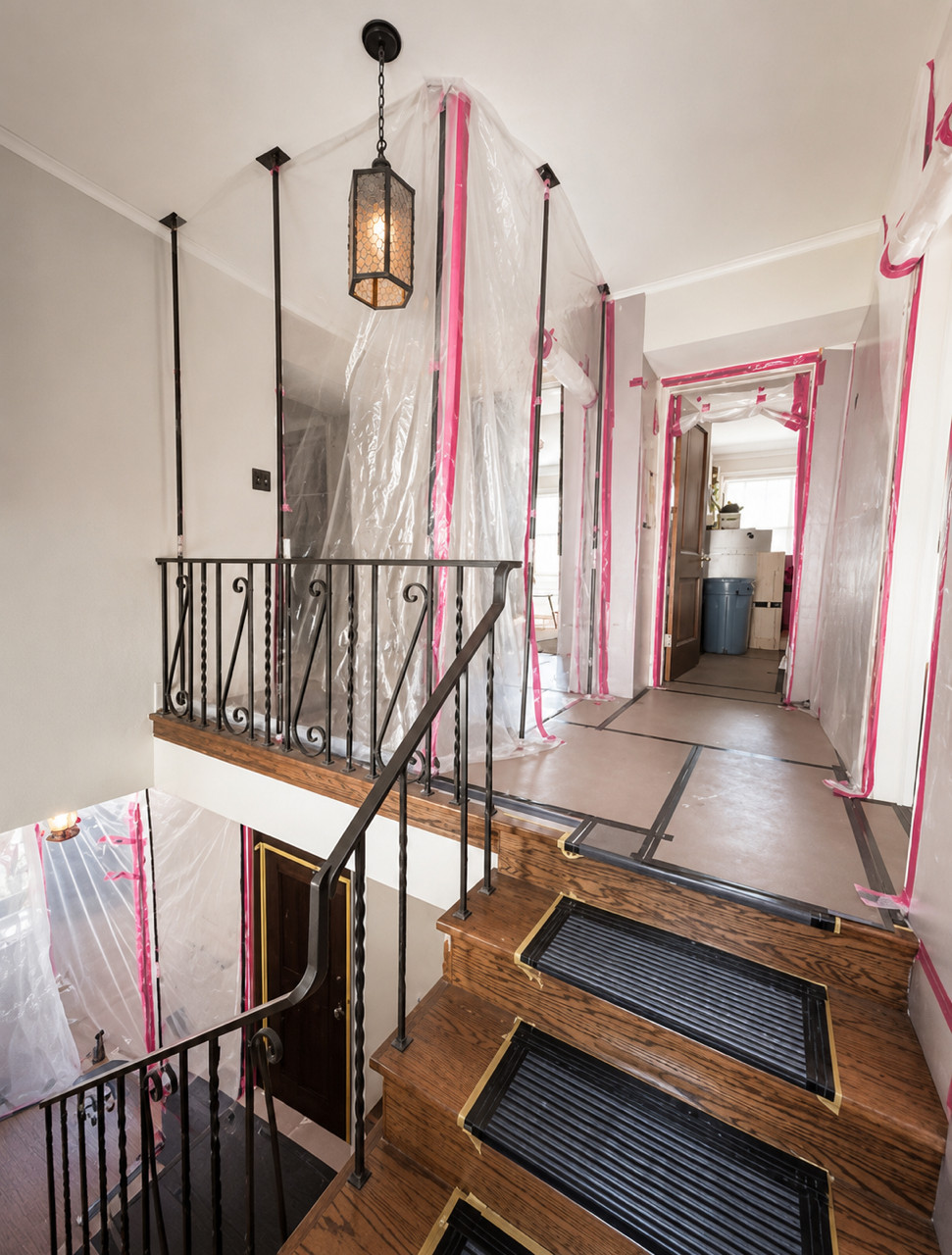
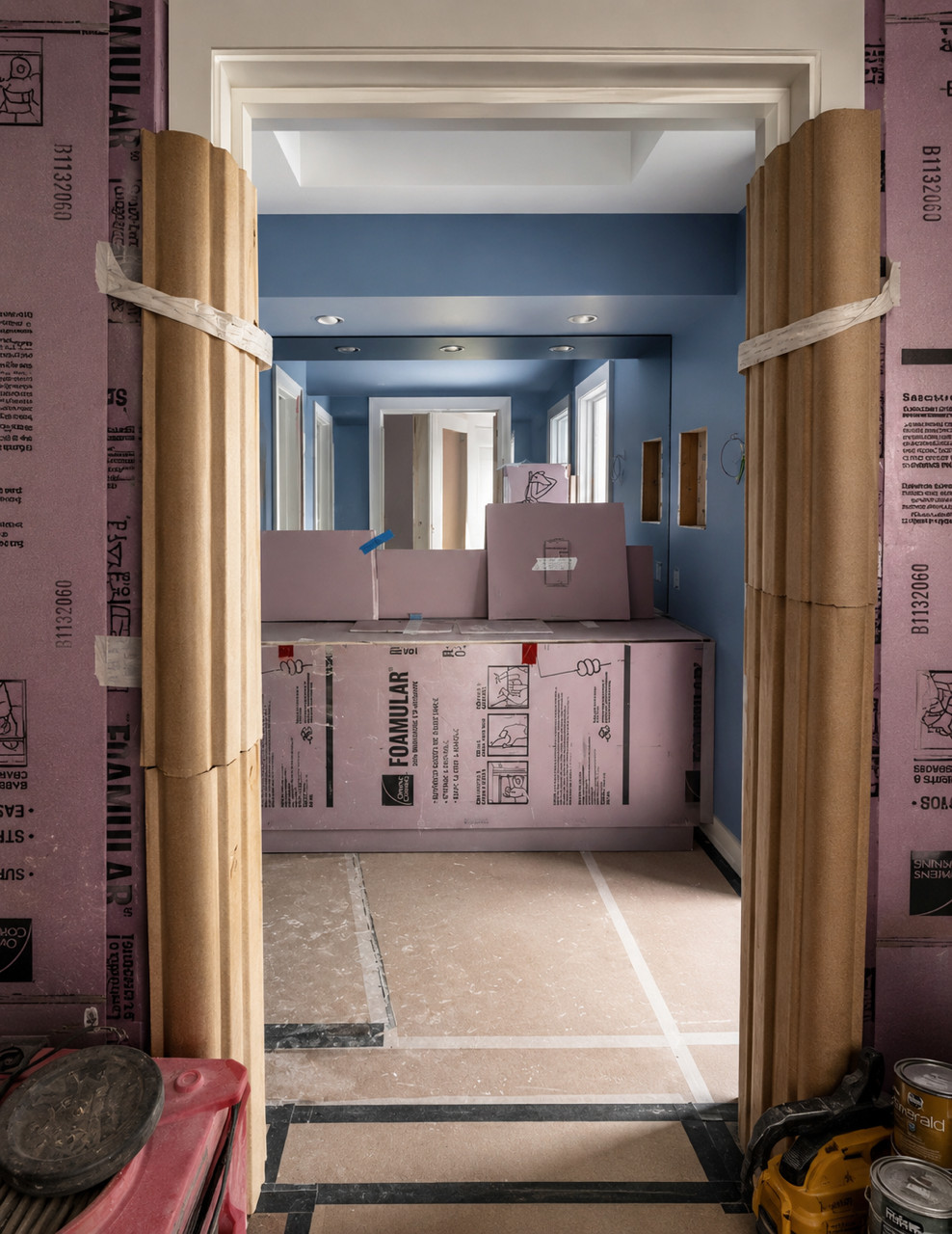
Hard-surface floors are first covered with Ram Board, a heavy-duty compressed rolled-cardboard floor protector. We use different tapes depending on the flooring material so the finish isn’t damaged, and overlap the seams to create a moisture-resistant barrier. On top of the Ram Board we install 1/8-inch hardboard — an extra layer that stands up to the realities of construction, from a dropped tool to a screw caught in the bottom of a boot to heavy materials being carried through the home. It’s durable enough to withstand months of foot traffic while making daily cleanup faster.
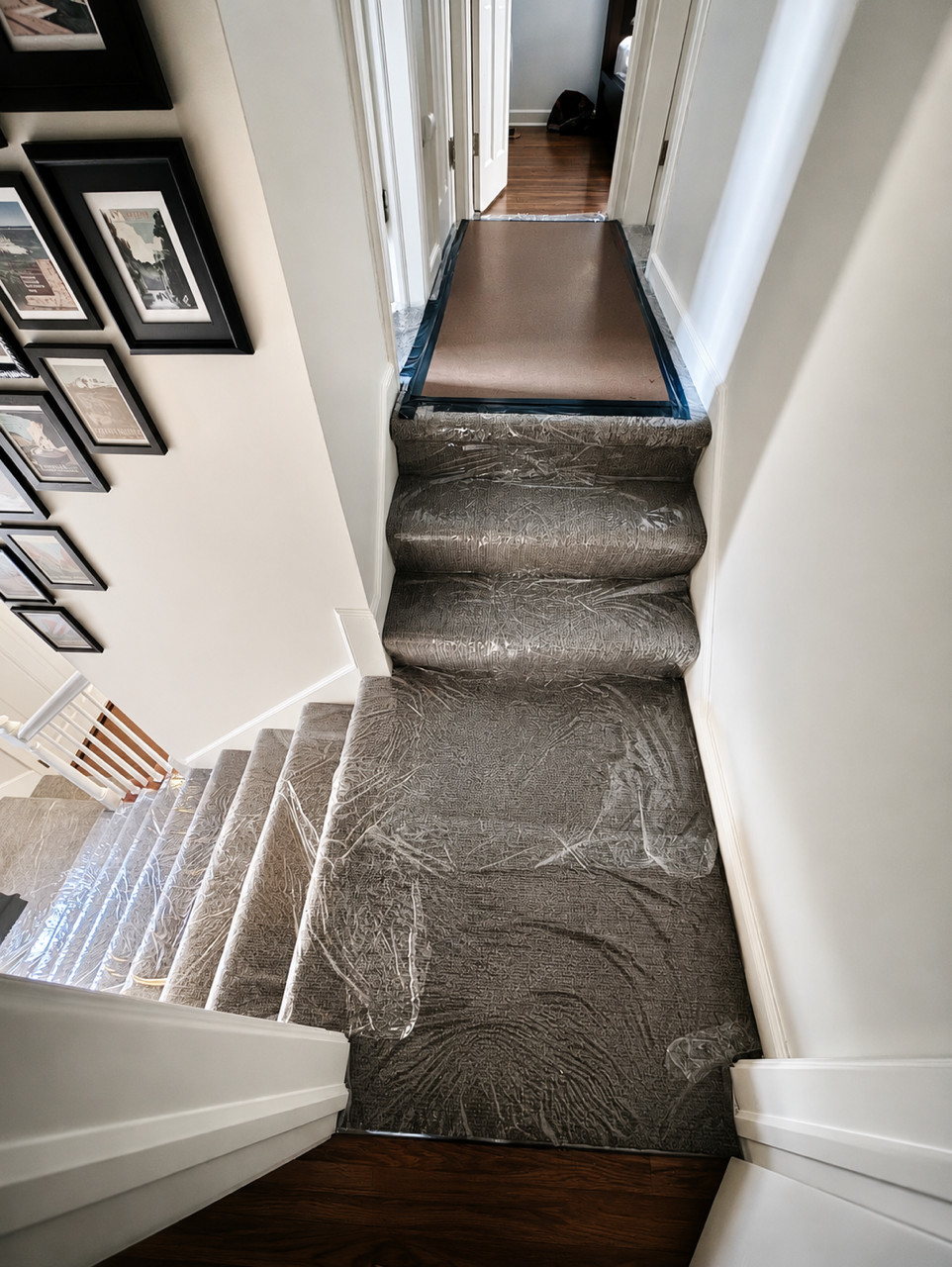
Carpet calls for a different approach: two layers of Carpet Shield, a self-adhesive protective film, with a layer of 1/8-inch hardboard over flat carpeted areas.
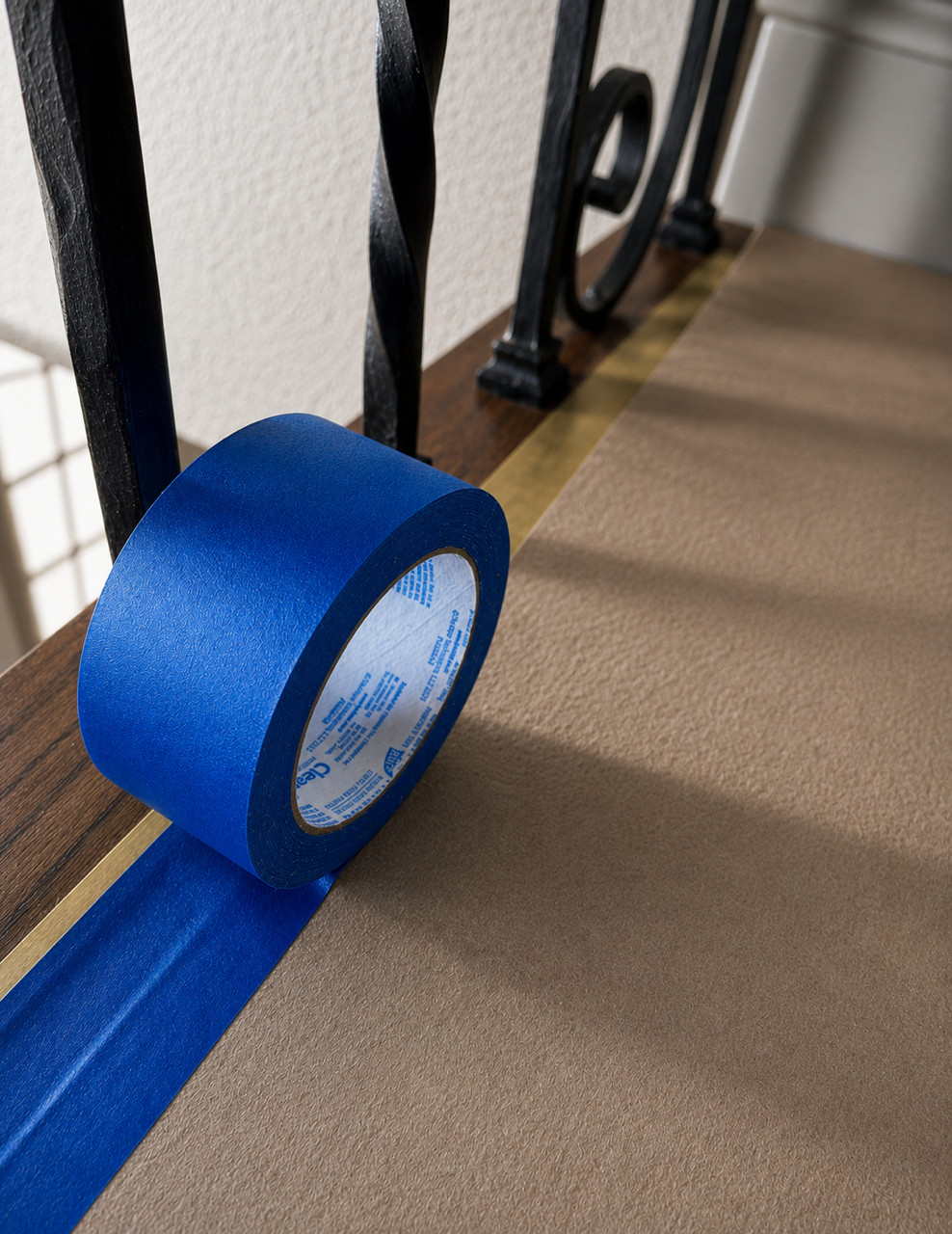
Stairs get special attention because they take concentrated traffic every day. Carpeted stairs receive two full layers of Carpet Shield plus a third strip down the center, where most feet land. Hard-surface stairs, like hardwood, get a more involved treatment — a specialty tape that won’t damage the finish, then a vinyl stair-tread protector secured with a stronger tape such as Gorilla Tape. Because stability on stairs matters so much, we inspect that protection throughout the project and reinforce or replace it whenever it’s needed.
Containing dust and protecting walls
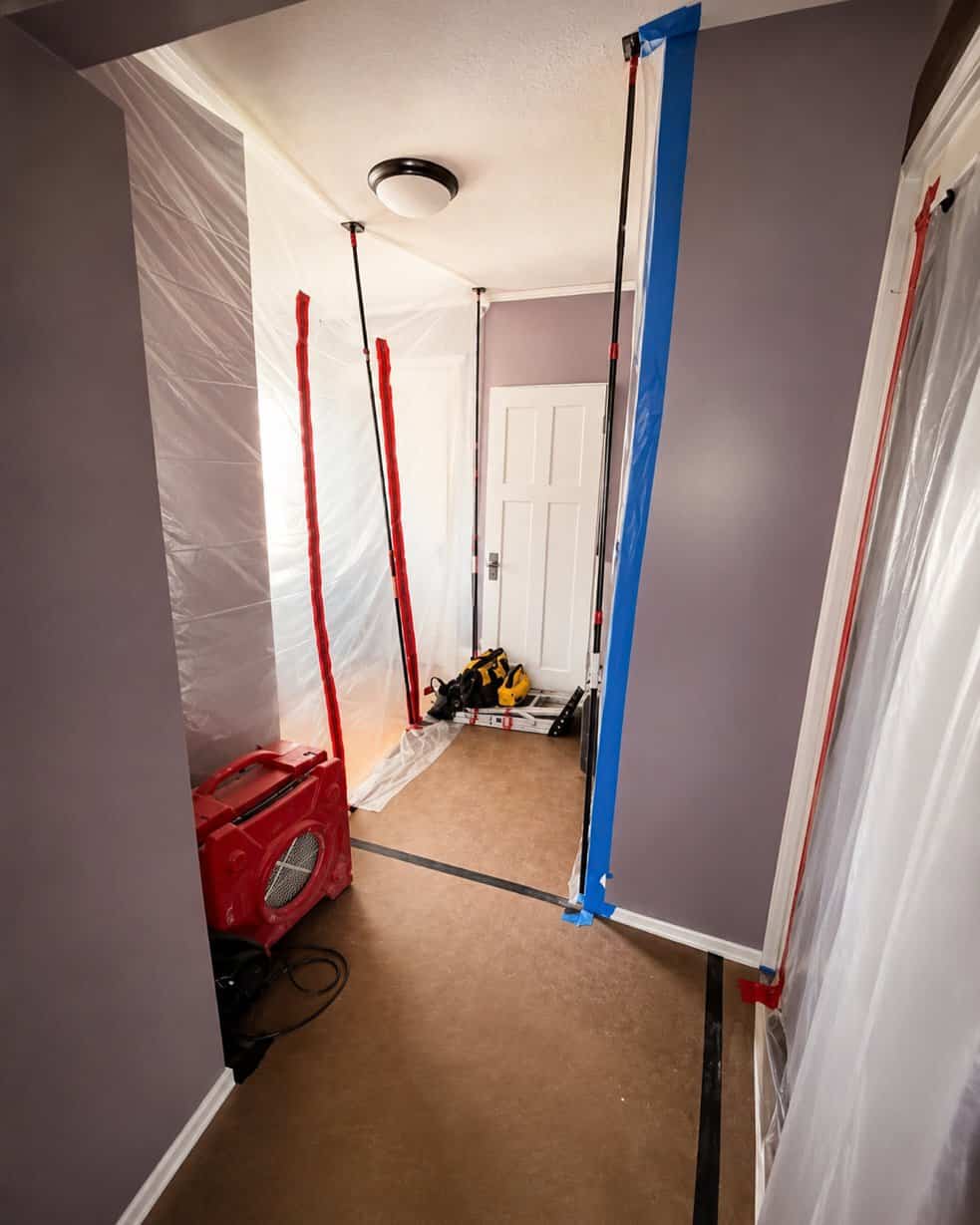
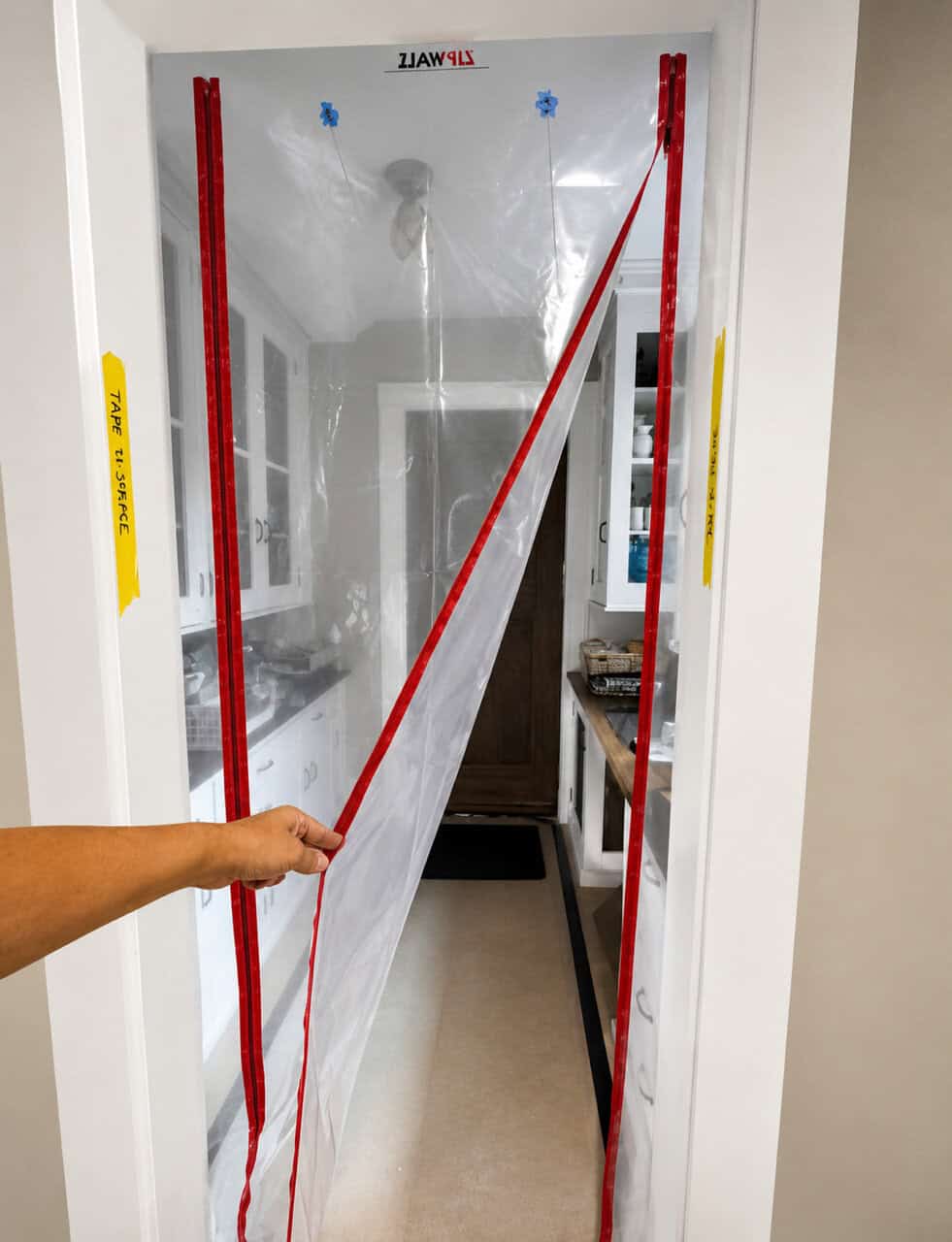
Once the floors are covered, we establish what we call the “dirty envelope.” ZipWall® dust barriers with zippered doors go up at the entrances to the work area, giving our crews easy access while dramatically reducing the dust that travels into the rest of your home. When we need to close off a hallway or separate larger spaces, we build temporary plastic walls with the same ZipWall system, using spring-loaded poles to seal the barrier tightly between ceiling and floor without damaging the home.
We also protect the travel path. Half-inch rigid foam insulation panels line the walls from the front door all the way to the work area, absorbing the inevitable bumps as tools, materials, and equipment move through. Like the dust barriers, they’re held in place with support poles and adjusted as the project goes on.
Protecting everything else
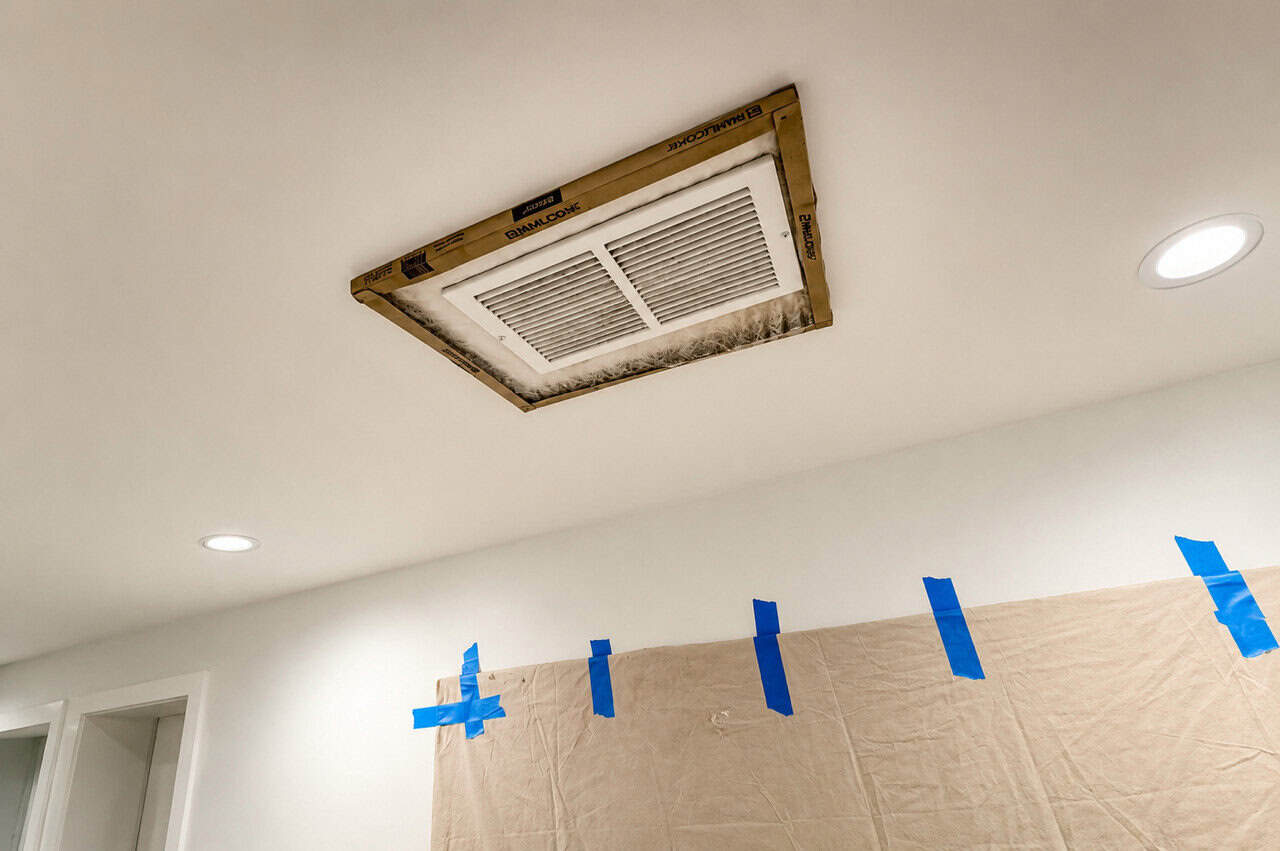
The final stage is the details. Drop cloths cover railings, furniture, and any appliances that stay in place during construction. Ram Jambs protect door frames that see heavy traffic — especially the doorway into the project itself. Entry mats sit at exterior doors and at every transition between the clean and dirty sides of the home to catch dust before it travels farther into the house. We install filter media over HVAC supply and return vents to keep debris out of the ductwork and ease the load on your furnace filter. Finally, we set up a commercial air cleaner; no machine captures every particle, but it makes a real difference in air quality throughout the project.
Why we spend so much time on it
There’s an old saying: any job worth doing is worth doing right. We believe that starts before demolition. Site protection can easily take two days or more, but it pays off across the whole project — our crews work more efficiently, cleanup is easier, and small mishaps like a dropped tool or an errant screw never turn into repairs outside the project scope. We’re human, and construction is demanding work; minor bumps will occasionally happen. Our goal is to make sure they never become damage to your home. When the work is finished, all of the protection comes out and the entire work area gets a thorough, detailed cleaning before we consider the project done.
One of the best compliments we hear is that seeing the care we put into protecting a home made our clients feel comfortable with the whole construction process. When that happens, our site protection has done more than guard floors and walls — it has protected our clients’ peace of mind, too.
Frequently asked questions
How long does site protection take? It can easily take two days or more before demolition begins, depending on the size of the home and the path to the work area.
Why is it so quiet the first few days? The opening days of a project are mostly preparation. You won’t hear much demolition yet — you’ll see us carefully readying your home for the work ahead.
Does the protection stay up the whole time? Yes. Floor coverings, dust barriers, and wall protection stay in place for the duration, and we inspect and reinforce them — especially on stairs — throughout the project. Everything is removed at the end, followed by a detailed cleaning.
How do you keep dust out of the rest of the house? We build a sealed “dirty envelope” with ZipWall® dust barriers, cover HVAC supply and return vents with filter media, and run a commercial air cleaner to help maintain air quality.